
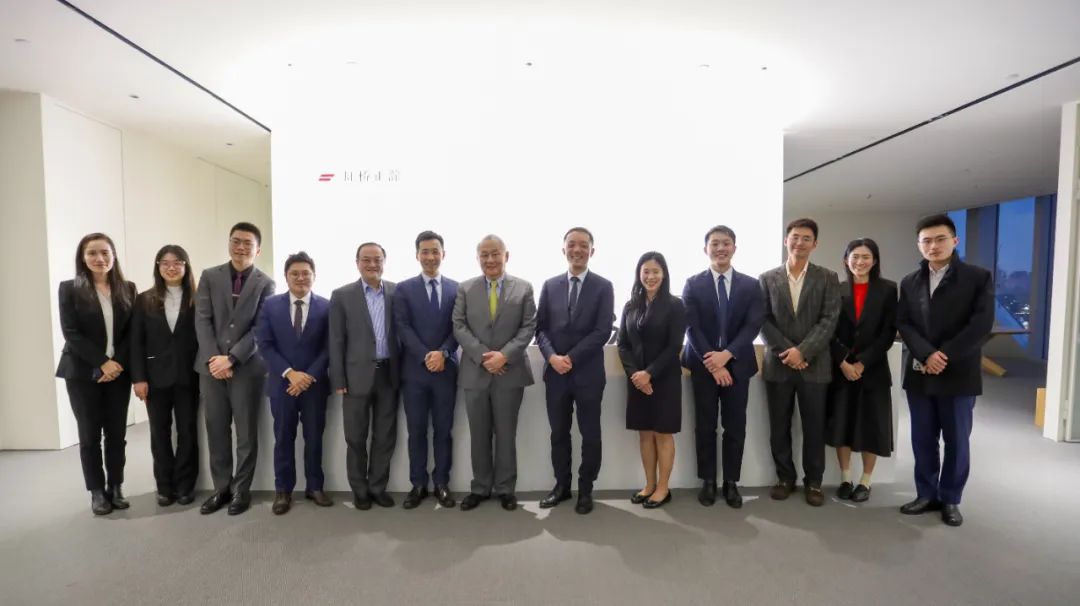
On March 4, 2025, a delegation of world-leading dispute resolution experts including Mr. Ng Jern-Fei KC and Mr. Quentin Loh SC was invited by Zhenghan Law Firm to deliver a lecture at the firm’s office on “Core Issues in Cross-Border Dispute Resolution: The AI Era of International Arbitration”. The event drew a large number of legal professionals, who gathered to discuss key issues in cross-border dispute resolution.
Topic 1: Introduction to Singapore’s Dispute Resolution Framework
Speaker: Mr. Quentin Loh SC, Former President of the Singapore Commercial Court, Senior Counsel. In 2017, Mr. Loh was appointed an Honorary Bencher of Middle Temple, and in 2018 he was appointed a part-time Judge of the Supreme Court of Fiji. In the same year, he also became the Patron of the Singapore Branch of the Chartered Institute of Arbitrators (CIArb). He served as the judge responsible for establishing the Singapore International Commercial Court (SICC) in 2015 and was appointed its President and a member of the Judicial Committee of the Academy of Experts in 2020.

Mr. Loh systematically introduced Singapore’s arbitration, mediation and litigation systems, with a focus on the Singapore International Commercial Court (SICC), established in 2015. As a division of the General Division of the High Court and part of the Supreme Court of Singapore, the SICC was created to meet the growing demand for the efficient resolution of cross-border disputes through litigation. It is characterized by high efficiency and relatively lower litigation costs, and features a panel of international judges with diverse legal backgrounds, enabling it to cater to cases from different jurisdictions.
Topic 2: Appropriate Judicial Intervention in Arbitration
Speaker: Mr. Ng Jern-Fei KC, King’s Counsel. Mr. Ng became one of the youngest King’s Counsel in the United Kingdom in 2018 and was invited to participate in the 4th Symposium of the International Commercial Expert Committee of the Supreme People’s Court on September 25, 2024. He is also on the panel of arbitrators of the Hong Kong International Arbitration Centre (HKIAC), Shanghai Arbitration Commission (SHAC) and Shenzhen Court of International Arbitration (SCIA).
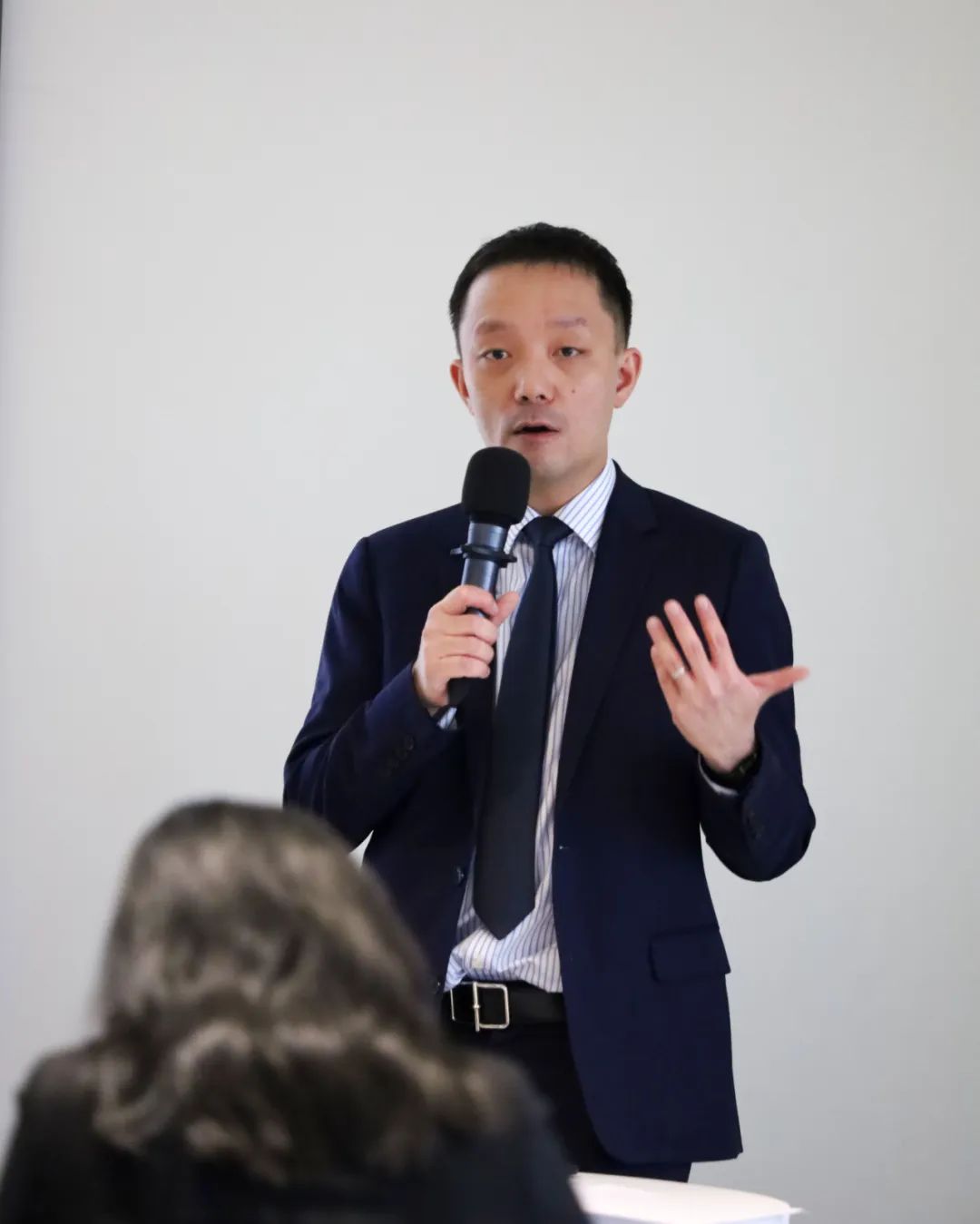
By analyzing the case of BZW & Another v BZV decided by the Singapore Court of Appeal, Mr. Ng explored the issue of judicial intervention in arbitral awards. He stated that courts should exercise appropriate restraint when supervising arbitral awards, avoiding both excessive intervention and complete inaction. Mr. Ng also discussed the limitations of the principle of minimal judicial intervention and emphasized the importance of appropriate judicial intervention in arbitration. He pointed out that appropriate judicial intervention can enhance the fairness and efficiency of arbitration while avoiding unnecessary delays and costs. He proposed evolving the court’s approach to arbitration from the “principle of minimal intervention” to the “principle of appropriate intervention” to better balance the relationship between courts and arbitral tribunals.
Topic 3: Analysis of the Evidence Regime in International Arbitration
Speaker: Mr. Nathaniel Lai. Mr. Lai specializes in complex commercial litigation and international arbitration cases and is admitted to practice in both Singapore and New York.
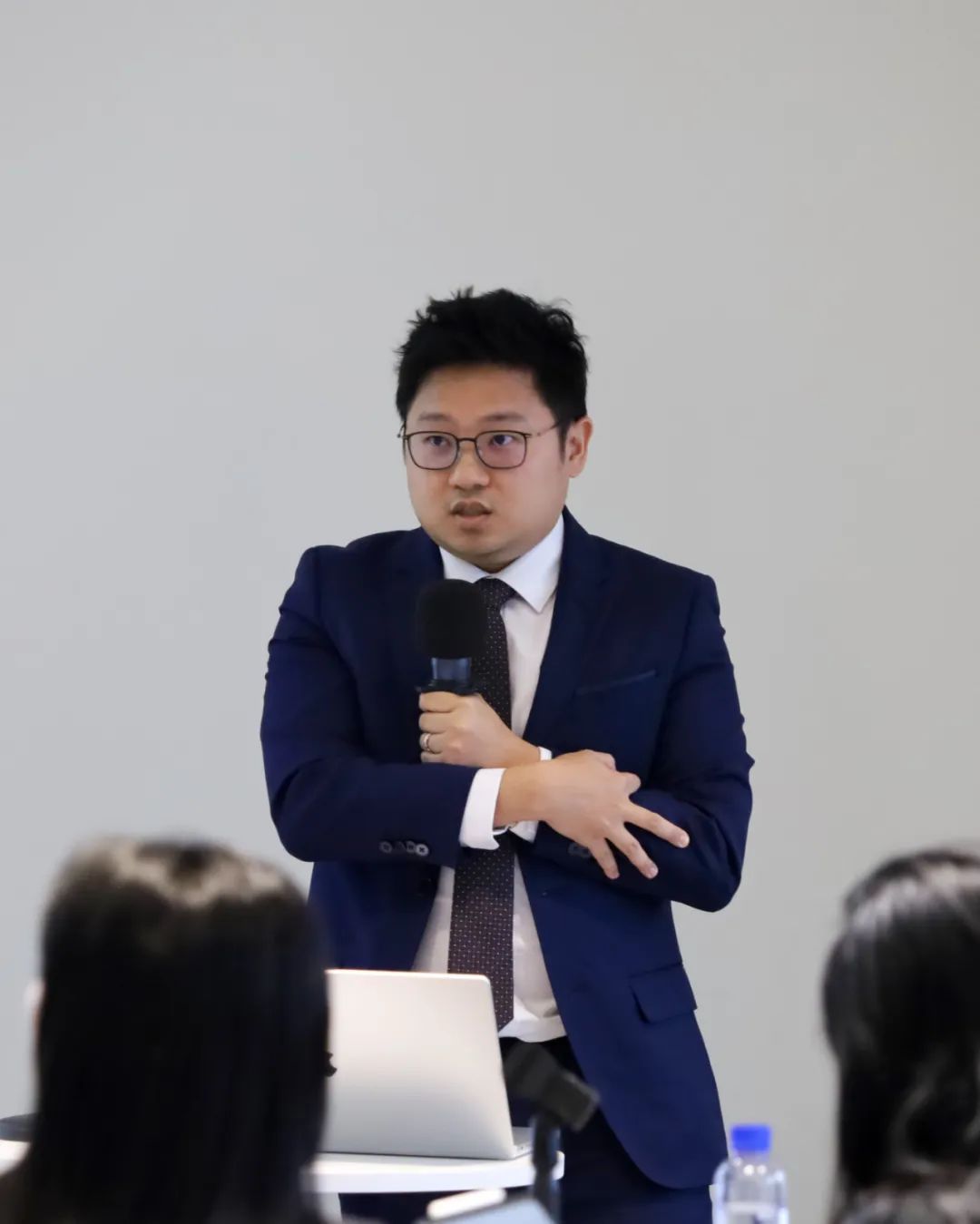
Mr. Lai delved into the importance of evidence in international arbitration, provided a detailed analysis of the IBA Rules on the Taking of Evidence in International Arbitration (the “IBA Rules”), and offered a comprehensive and meticulous explanation of document production, witness evidence and expert evidence with reference to practical cases. In addition, he shared strategies for handling confidential or politically sensitive documents, as well as the adverse consequences that may arise from failure to produce documents as required. The lecture provided participants with valuable knowledge and practical guidance, helping them better understand and address evidence-related issues in international arbitration.
Topic 4: Sacofa Sdn Bhd v Super Sea Cable Networks
Speaker: Mr. Tan Jun Hong. Mr. Tan specializes in commercial litigation, international arbitration, arbitration-related litigation, shareholder and corporate disputes, and is admitted to practice in Singapore, England and Wales, and New York.
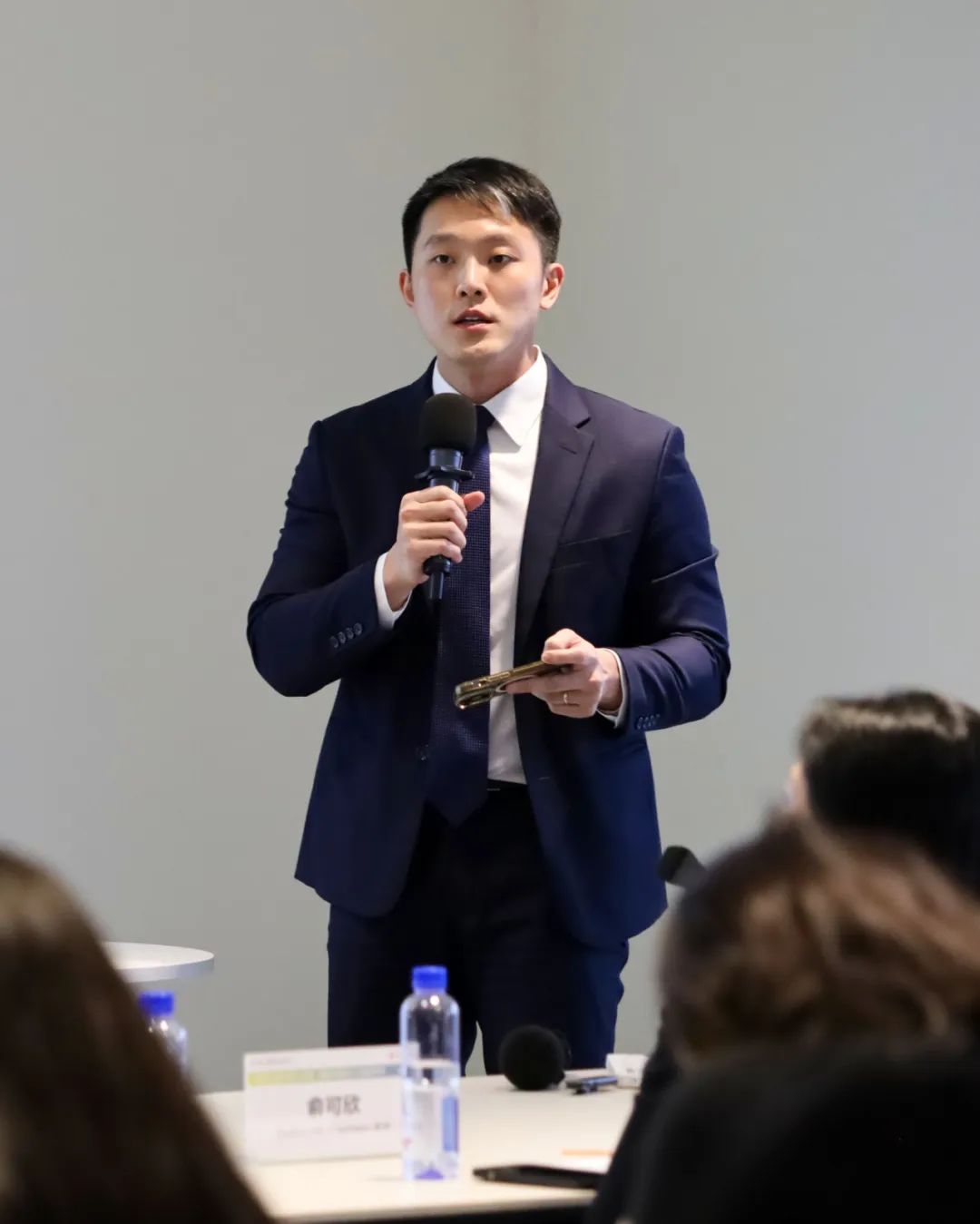
Mr. Tan conducted an in-depth discussion of the Sacofa case, in which he acted as counsel, focusing on the resolution of conflicting dispute resolution clauses across multiple contracts and the application of issue estoppel in prior enforcement proceedings. Using the actual case, he elaborated on the importance of identifying the “centre of gravity” of a dispute in international arbitration and how to coordinate dispute resolution mechanisms across different jurisdictions. Furthermore, he shared his insights on handling objections based on public policy and the application of issue estoppel, offering participants valuable practical legal guidance.
Topic 5: Expedited, Ultra-Expedited and Simplified Procedures – Trends in Accelerating Arbitral Proceedings
Speaker: Ms. Z.J. Jennifer Lim. Ms. Lim specializes in international dispute resolution and arbitration, acts as an arbitrator under the ICC and SIAC Rules, and serves as the Global Co-Chair of the Young SIAC Council (YSIAC Council). She is admitted to practice in Singapore, New York, the United Kingdom and Hong Kong.

Ms. Lim introduced the emergence and development trends of expedited, ultra-expedited and simplified procedures. She noted that the core objectives of expedited procedures are to reduce time and costs, resolve small-value disputes efficiently, enhance access to justice and improve overall efficiency. She analyzed the key features and practical challenges of expedited procedures through specific data and case studies.
Ms. Lim also discussed the rise of ultra-expedited procedures, particularly the UNCITRAL Model Provisions for Ultra-Expedited Arbitration newly issued in 2024, which aim to shorten the time for rendering an award from six months under expedited arbitration to 45 days. She emphasized that practical challenges of expedited procedures include risks to procedural fairness, time pressure on arbitral tribunals and the risk of award setting aside, necessitating a balance between efficiency and due process.
Following the session, the attending guests held in-depth exchanges with the delegation of world-leading dispute resolution experts and lawyers from Zhenghan Law Firm.
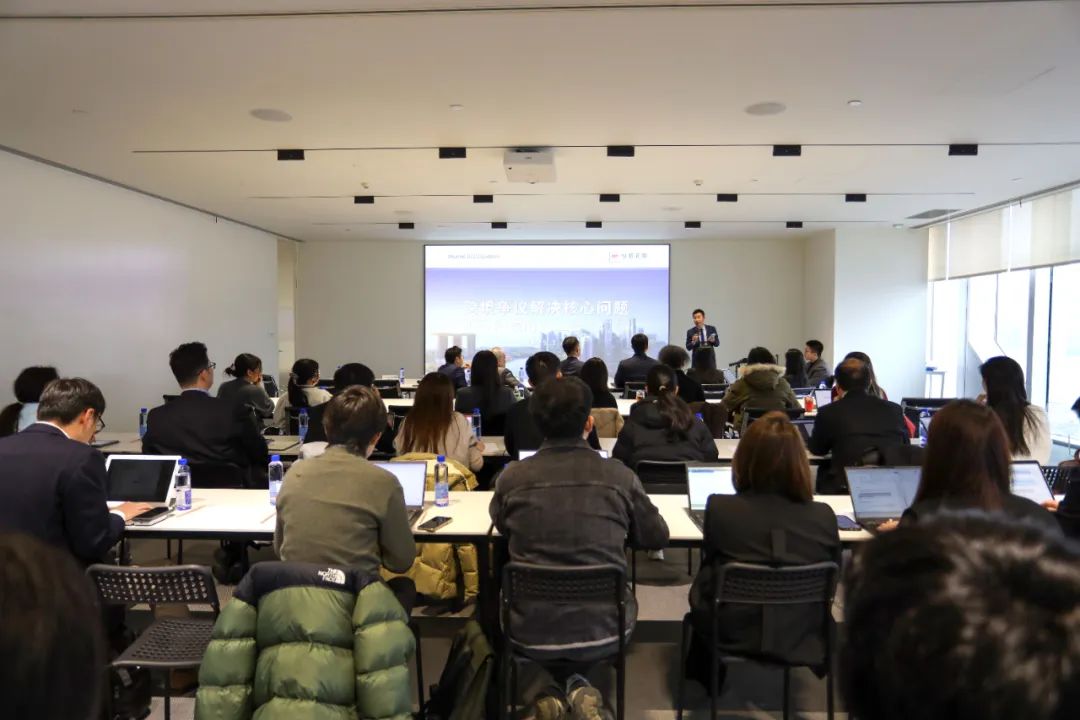
This forum provided legal professionals with a valuable opportunity for in-depth exchange and learning, enabling participants to gain a deeper understanding of key issues in cross-border dispute resolution. The lecture not only enhanced the professional competence of the attendees but also laid the foundation for future cooperation in the cross-border dispute resolution field. We look forward to more such exchange activities in the future to jointly promote the continuous development of the cross-border dispute resolution sector.