Tag Archives: External training

Hongqiao Zhenghan Invited to Give AI-Themed Presentation for Shanghai Lawyers Association Civil and Commercial Litigation Committee

Recently, the year-end meeting of the Shanghai Lawyers Association’s Civil and Commercial Litigation Committee was successfully held. Lawyers Wang Chu and An Da from Hongqiao Zhenghan were invited to attend and delivered a thematic presentation titled “The AI Era: Re-Understanding Legal Work—From Passive Users to Active Masters,” which deeply integrated legal practice with cutting-edge technology for their colleagues in attendance.

Practical Breakthrough: Building an AI Workflow Like ‘Renovating a House’

In the first half of the presentation, Lawyer An Da took the stage, starting from the perspective of frontline practice. He addressed the pain points lawyers face when using AI and deconstructed the specific methodology for mastering AI.
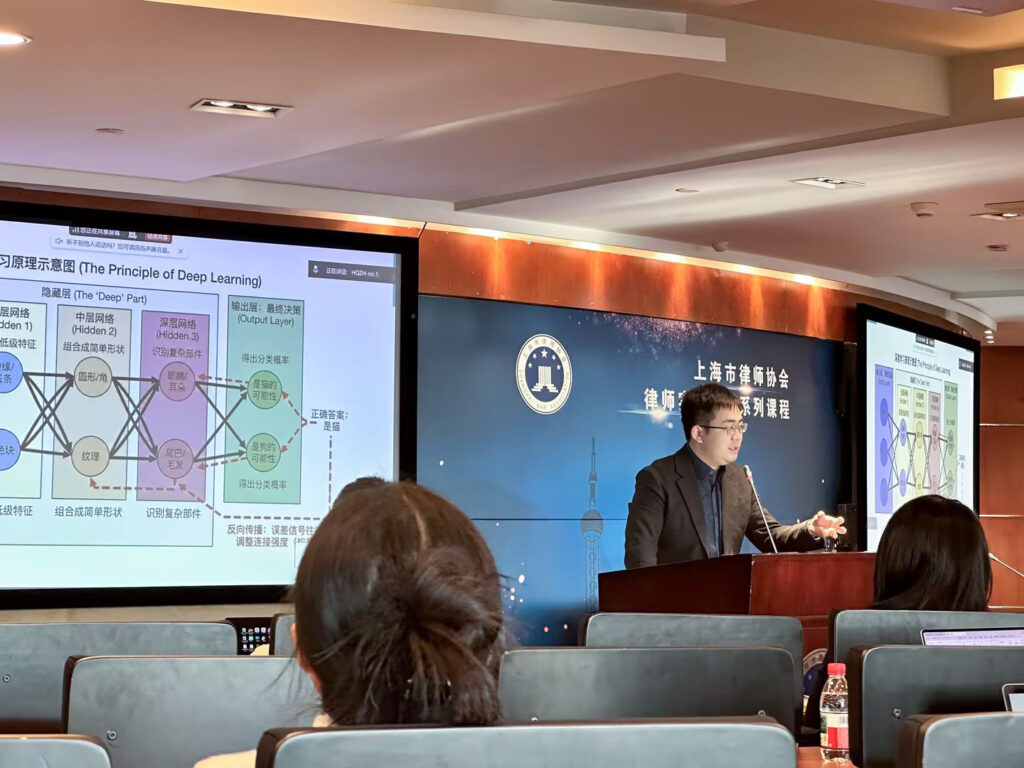
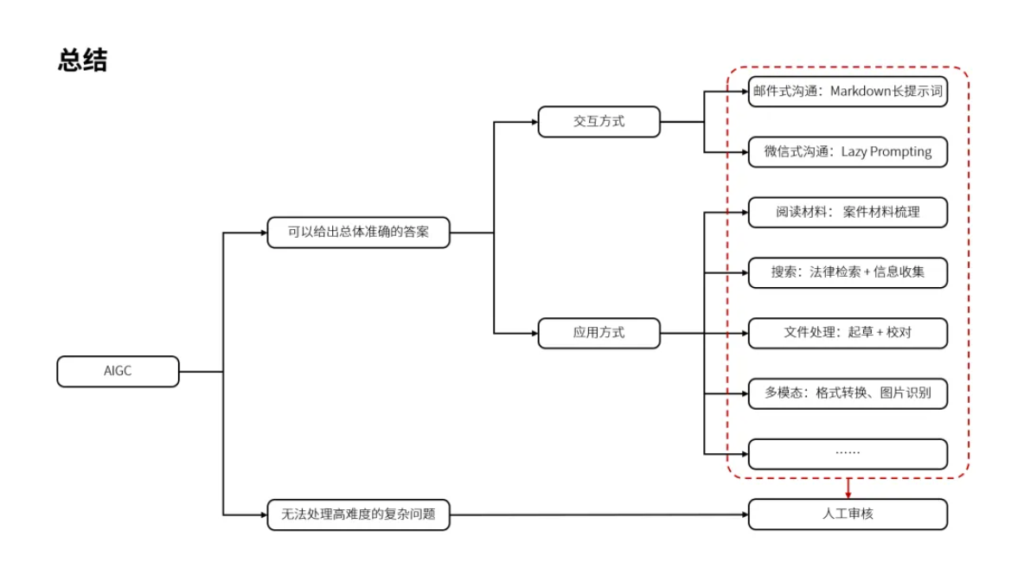
Lawyer An Da pointed out that the key to using AI efficiently lies in establishing the correct interaction model. Through a vivid metaphor, he broke down the complex AI interaction process into three stages of “renovating a house”:

  1. The Blueprint Stage (Email-Style Communication): For complex tasks like case梳理, using Markdown syntax to construct structured instructions, setting clear roles, context, and rules for AI as if “creating a blueprint”;
  2. The Supervisor Stage (WeChat-Style Communication): For detail refinement, adopting a Lazy Prompting strategy, using multiple rounds of short dialogue for continuous fine-tuning, correcting AI’s output like a “supervisor”;
  3. The Furnishing and Acceptance Stage (Human Finalization): Lawyers conducting the final professional review and polishing.
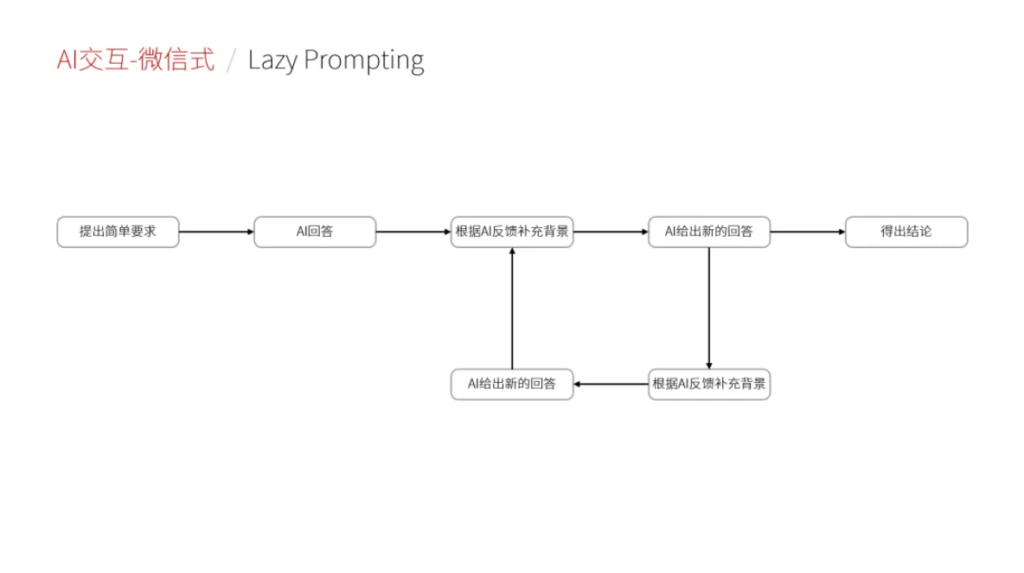
Combined with civil and commercial litigation scenarios, Lawyer An Da demonstrated on-site how to use tools like Tongyi Farui, Tencent Yuanbao, and Miita to efficiently complete high-frequency tasks such as conflict of interest checks,股权结构穿透, and timeline梳理 of complex case files, showcasing the实战能力 of a “virtual legal team.”

Cognitive Shift: From ‘Vending Machine’ to ‘Apprentice with Experience’

Following this, Lawyer Wang Chu provided a profound升华 of AI applications from the dimensions of underlying logic and industry trends.

Addressing the困惑 of many legal professionals that “AI often gives irrelevant answers,” Lawyer Wang Chu incisively pointed out that the core issue lies in using the wrong “instruction manual”—many treat AI as a “vending machine” that dispenses answers upon input, but the essence of AI is actually an “apprentice with experience” that requires professional guidance and collaborative refinement.
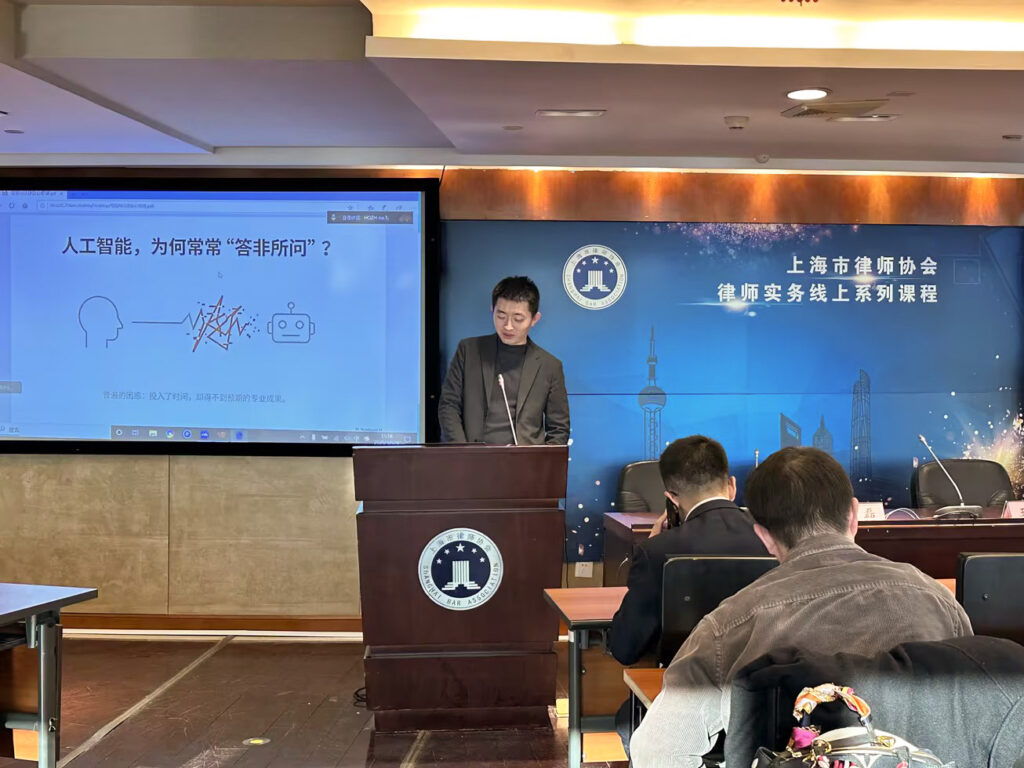
Lawyer Wang Chu further proposed the “Three Laws of the AI Era”:

  1. The Law of Being Faster Than You: Real competition lies not between humans and AI, but between a person and a “peer who knows how to use AI”;
  2. The Law of Grumbling: One must not only accept the probabilistic and uncertain nature of AI generation but also understand that the life of law lies in experience, and AI is essentially the “imitation of experience” from massive data;
  3. The Law of the Strong Getting Stronger: The combination of top legal professionals’ experience with AI’s efficient computing power will form an insurmountable moat.

Lawyer Wang Chu emphasized that the future legal workflow will be a “virtual office” model, where lawyers need to learn to command different “AI Agents” to perform their respective duties.

Safety Red Line: Compliance is the Prerequisite for Technological Empowerment

Addressing the legal professionals’ most significant concern—data security and confidentiality—the presentation specially emphasized the importance of “data anonymization.” By comparing user agreements of mainstream AI models, the lawyers demonstrated on-site how to use technical means like replacing key names, using ciphertext, and image blurring to strictly maintain the bottom line of client information security while enjoying the benefits of technology.

Conclusion: Making the Capable Even More Capable

This presentation not only showcased Hongqiao Zhenghan’s深耕 and沉淀 in the field of legal tech application but also conveyed a positive technological价值观 to the industry: in the AI era, lawyers should be liberated from repetitive labor, being empowered by AI, not enslaved by it. This前瞻性与实操性并重的 presentation garnered enthusiastic responses and high praise from the attending guests.
Hongqiao Zhenghan Invited to Deliver AI-Themed Presentation for China Haisum 2025 Annual Legal Work Conference

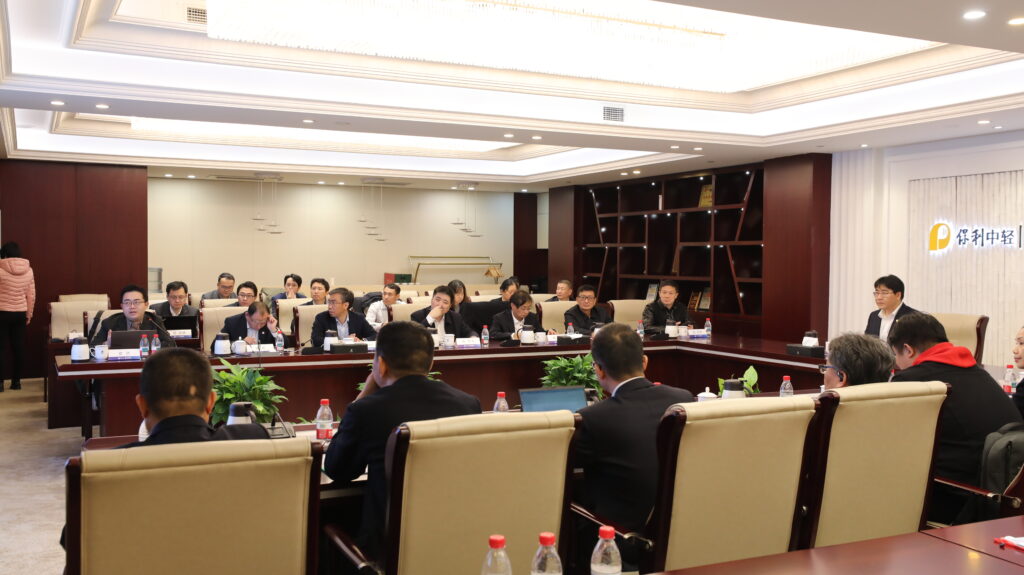
Recently, the grand event “China Haisum Engineering & Technology Co., Ltd. (hereinafter referred to as ‘China Haisum’) 2025 Annual Legal Work Conference & Poly Light Industry Southern Legal Sharing Center Thematic Discussion” was held. Partners Yang Runlai, Min Xi, and Lawyer An Da from Shanghai Hongqiao Zhenghan Law Firm were invited to attend the event.

Lawyer An Da (first from left)
During the special lecture session, Lawyer An Da delivered an in-depth presentation titled “The AI Era: Re-Understanding Legal Work.”

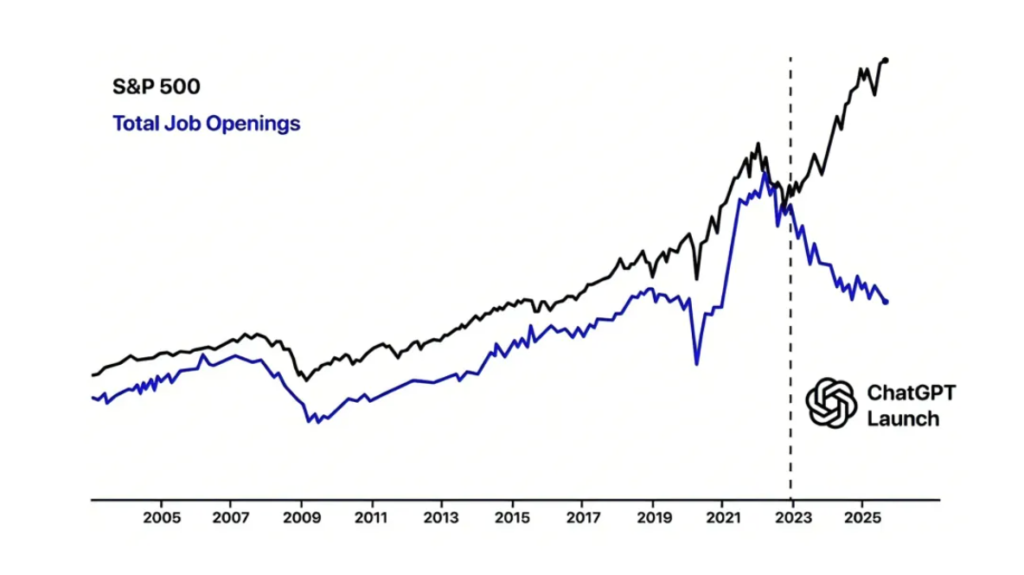
Lawyer An Da first analyzed the impact of AI technology on the global labor market using macro data, pointing out that under the drive of AI, enterprise value growth and human capital investment are undergoing a “decoupling.” Addressing this trend, Lawyer An Da, starting from the underlying logic, vividly explained the operational principles of large language models (LLM), guiding legal professionals to consider how to reshape the core competitiveness of legal work in the AI era.

At the practical operational level, Lawyer An Da detailed Hongqiao Zhenghan’s exploration experience in the field of legal technology, focusing on sharing two sets of AI interaction methodologies:

  • “Email-Style” Interaction: Demonstrated how to use Markdown syntax to write complex instructions (Prompts), achieving high-quality legal research and output through refined requirement descriptions.
  • “WeChat-Style” Interaction: Introduced the “Lazy Prompting” model, where background information is continuously supplemented through multiple rounds of dialogue to achieve more targeted task completion.

Combined with specific office scenarios, Lawyer An Da showcased the application of AI tools in high-frequency tasks such as case material organization (e.g., extracting factual details, constructing timelines), legal regulations and judicial viewpoint research, and contract drafting and proofreading. He emphasized that the essence of AI is to provide probabilistic results based on databases. Legal professionals should regard it as a “co-pilot” to enhance efficiency, not a complete replacement. Rigorous human review is still required for handling complex issues, and safety and compliance are the red lines for technology application.

Click to view larger image

At the end of the presentation, Lawyer An Da provided an in-depth analysis specifically addressing data security and document leakage risks. He compared the privacy policies of mainstream domestic AI platforms and demonstrated practical “data anonymization” techniques on-site, such as file name replacement, ciphertext processing of key information, and image mosaic processing, providing actionable solutions for enterprises to apply AI technology under the premise of compliance.

The content of this presentation was substantial and closely aligned with practice, earning high praise from the attending guests. Hongqiao Zhenghan will continue to monitor the forefront of legal technology and practical exploration, committed to helping partners achieve quality and efficiency improvements in legal compliance work through multi-dimensional professional sharing.

Hongqiao Zhenghan Conducts Practical Training on Complex Dispute Resolution for Provincial State-owned Enterprises Under the Guangdong Provincial SASAC

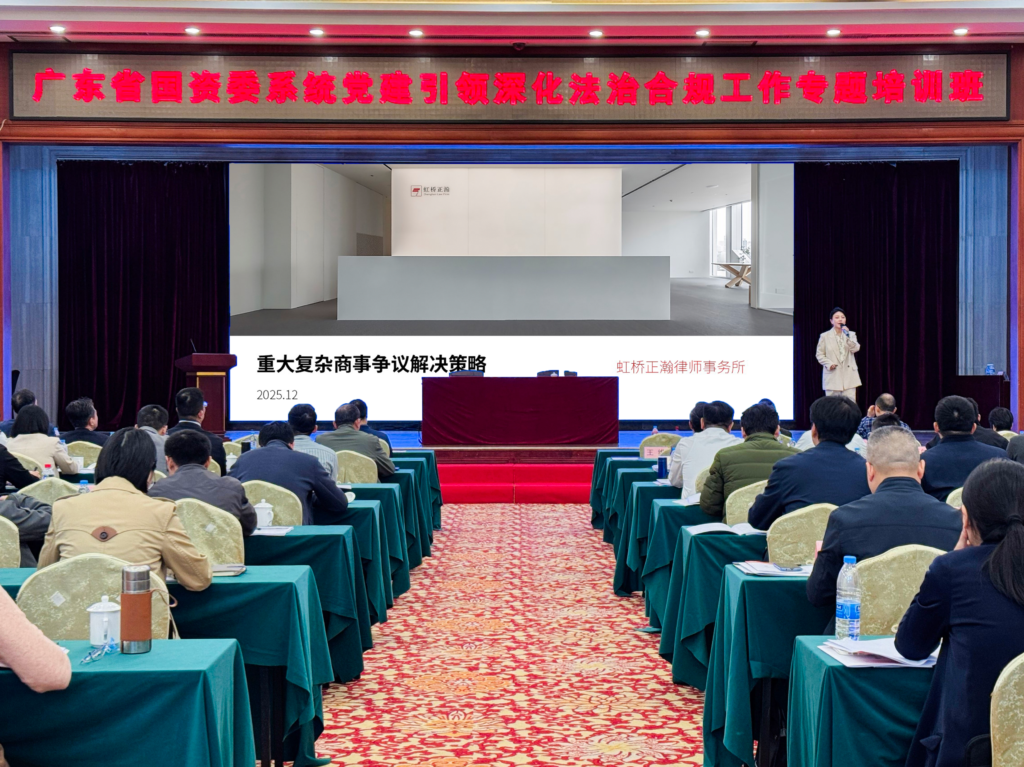
Recently, the State-owned Assets Supervision and Administration Commission of the People’s Government of Guangdong Province held the “Special Training Program on Deepening Legal Compliance Work Led by Party Building in the Guangdong Provincial SASAC System.” Over 120 participants attended this training, including leaders from municipal SASAC offices across Guangdong, heads of legal affairs from 18 provincial-level enterprises, general counsel, heads of legal departments, and legal staff.

Lawyer Xiao Yi, Partner and Head of the Guangzhou Office of Hongqiao Zhenghan, was invited to participate in this training. He delivered a special lecture titled “Strategies for Resolving Major and Complex Commercial Disputes.” Drawing on Hongqiao Zhenghan’s extensive practical experience accumulated over years of深耕 in the commercial dispute resolution field, he provided a comprehensive breakdown and introduction to the handling approach for major and complex commercial dispute cases.

Click to view larger image (same for the following images)

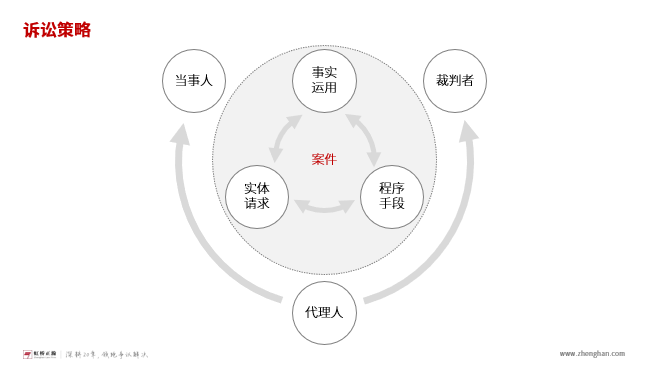
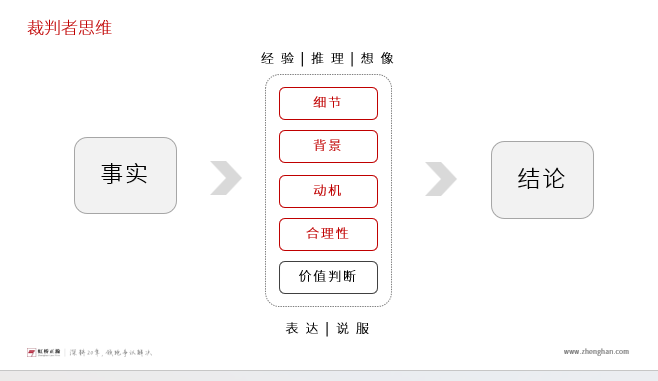
Lawyer Xiao Yi explained that when dealing with major and complex disputes, legal workers in state-owned enterprises should accurately grasp the interactive relationships among the three main parties involved: the client, the adjudicator, and the representative. Litigation strategy should be comprehensively analyzed from perspectives such as the selection and formulation of the client’s litigation objectives, profiling and understanding the adjudicator’s mindset, and key points for effective communication with representatives.

Simultaneously, starting from actual cases, Lawyer Xiao Yi introduced how to use visualization techniques to make complex case facts一目了然, and how to achieve a turnaround in second-instance or retrial procedures through fact梳理, evidence挖掘, and narrative construction. He further深入剖析了 the value and role of specific procedures such as identifying and突破 the basis of claims, selecting jurisdiction, and applying for preservation in dispute resolution.

Addressing the difficulties in second-instance and retrial procedures that concern state-owned enterprise legal staff, Lawyer Xiao Yi vividly explained, using case examples, how to find breakthroughs through precise切入点 and effective communication during a case. He emphasized the importance of post-hearing复盘沟通, encouraging his legal同行 to pursue “getting infinitely close to极致专业” in case management and handling processes. Facing a more dynamic market environment and increasingly complex commercial disputes, state-owned enterprises can gain the initiative in litigation and effectively safeguard state-owned assets by establishing a strategic mindset of “starting with the end in mind,动态关注, and全局统筹,” enhancing their legal teams’ and external counsels’ capabilities in “精细作业力 × 深度沟通力 × 团队协同力”—refined operational processes,持续深入的 internal and external communication, and efficient team collaboration.

This training empowered the legal system construction of provincial-level state-owned enterprises, effectively助力提升 the management and handling capabilities for major and complex cases within these enterprises, and received high praise from the participating units.

Hongqiao Zhenghan Conducts Special Training on Risk Prevention and Control in Commercial Housing Sales for Lujiazui Group

As the real estate industry enters a period of profound adjustment, disputes over commercial housing sales have become one of the core legal risks faced by developers. How to review and optimize the entire front-end process of sales, delivery and maintenance from the terminal perspective of dispute resolution, and build a solid legal risk firewall, is an essential course that the legal and business teams of branded real estate enterprises urgently need to master at present.

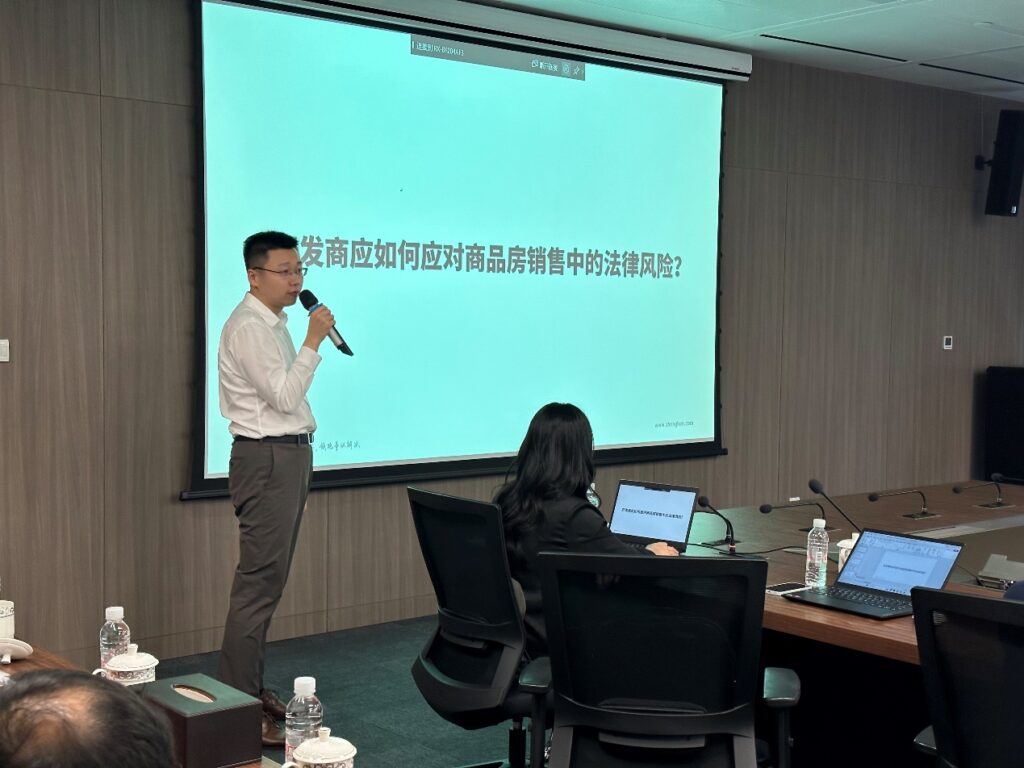
On September 23, 2025, at the invitation of Shanghai Lujiazui (Group) Co., Ltd. (hereinafter referred to as “Lujiazui Group”), Lawyers Wang Xuechao and Huang Xinlin, partners of Hongqiao Zhenghan, conducted a special training on the theme of “Legal Risk Prevention and Control of Commercial Housing Sales Disputes from the Perspective of Dispute Resolution”.

Lawyer Huang Xinlin

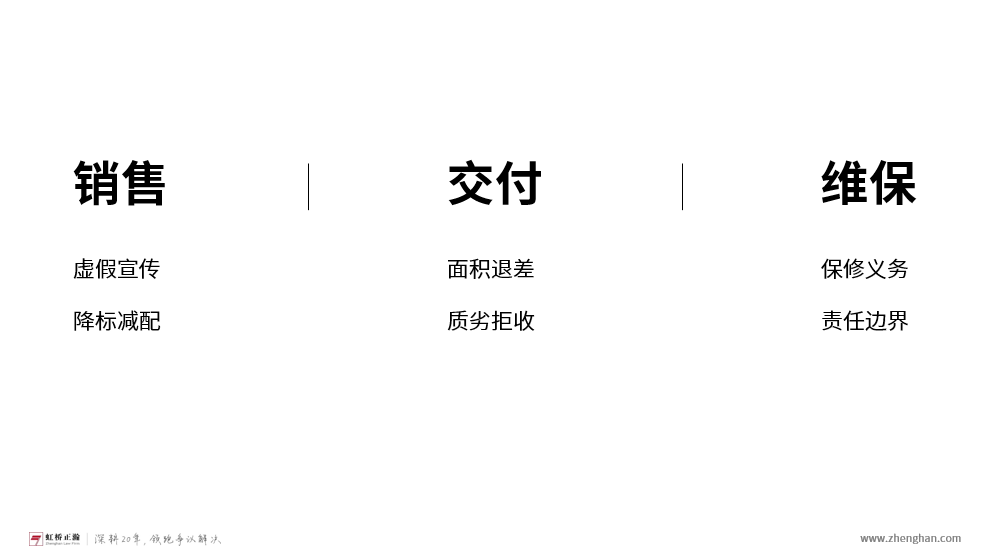
Lawyer Huang Xinlin started with actual cases of false advertising and focused on the three core risk stages in the life cycle of commercial housing.

Click to view the full-size image

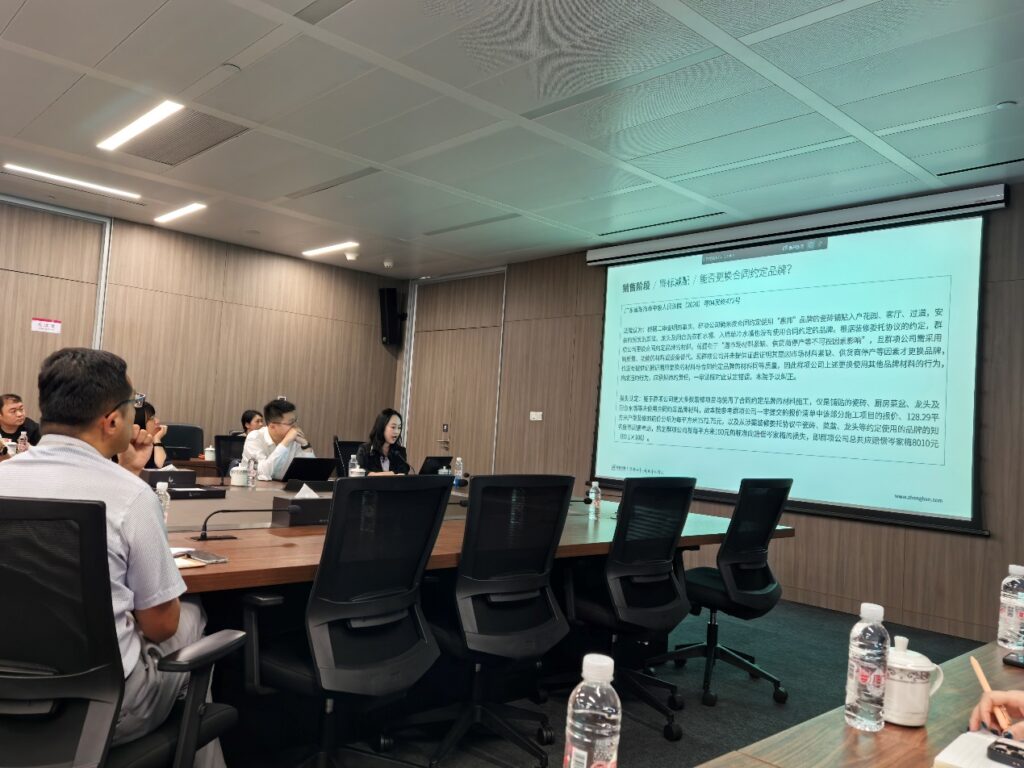
In the sales stage, she focused on analyzing the identification criteria for “false advertising” and “reduced standards and configuration”, clarified under what circumstances promotional content may constitute a contractual offer, and discussed the validity of standard clauses such as “everything is subject to actual delivery”, so as to draw a clear boundary for the compliance of marketing activities.

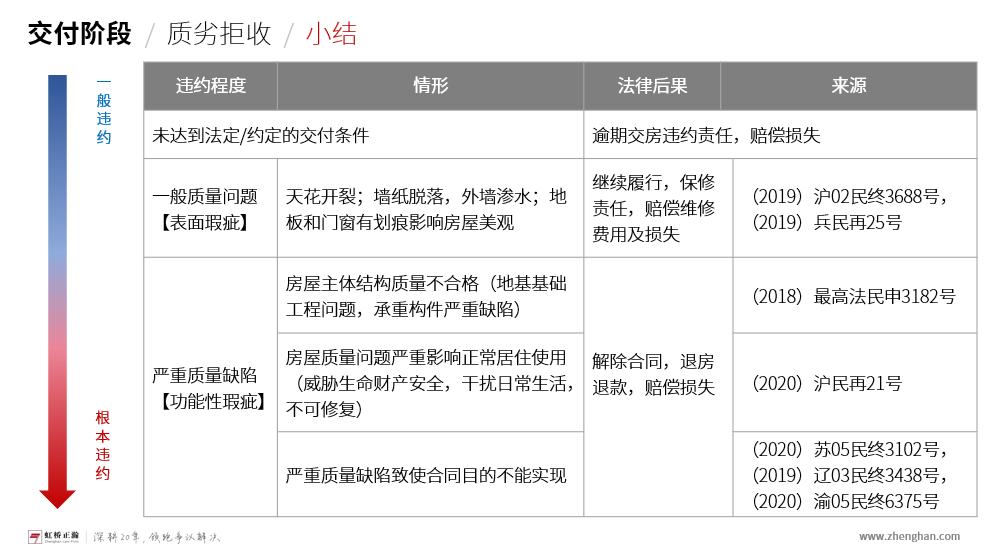
In the delivery stage, she conducted an in-depth analysis of the response strategies for “area discrepancies” and “refusal to take delivery due to quality issues”, clarified the difference between “general quality defects” and “serious quality deficiencies”, and pointed out that general defects do not constitute a legal ground for homebuyers to refuse to take delivery of the property.

Click to view the full-size image

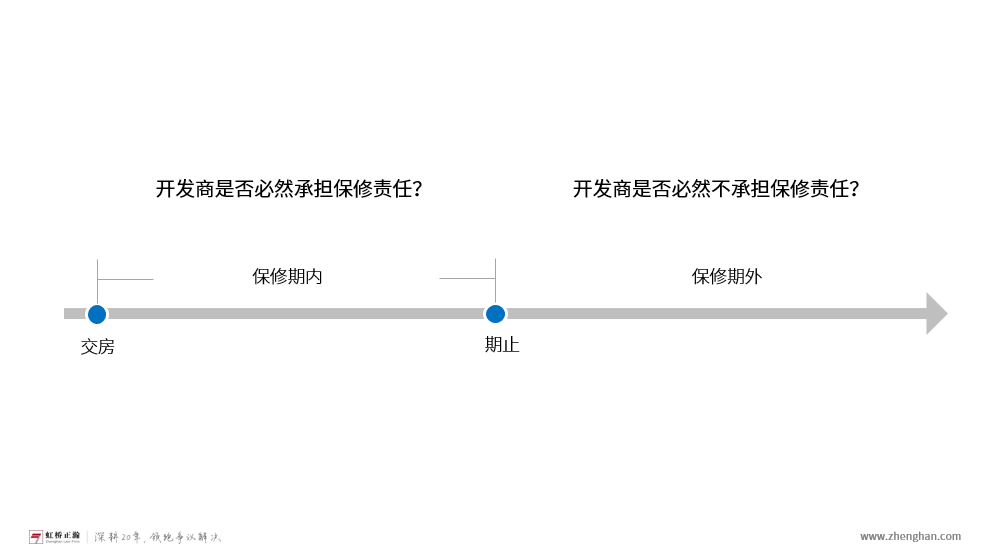
In the maintenance stage, she systematically sorted out the developer’s warranty obligations and liability boundaries. By analyzing exceptional circumstances such as “developers still need to be liable for hidden defects beyond the warranty period”, she broke the simple perception of “no liability after expiration”, and emphasized that for serious quality deficiencies, even if the warranty liability expires due to the lapse of the warranty period, there is still a potential risk of being liable for defect warranty within a reasonable period.

Click to view the full-size image

After an in-depth analysis of the three risk stages, Lawyer Wang Xuechao cleverly put forward a profound proposition: “In the relationship of commercial housing sales, homebuyers are often regarded as a ‘vulnerable group’; once litigation proceedings are initiated, who is the real ‘vulnerable group’?” The raising of this question triggered deep reflection among all participants.

Partner Lawyer Wang Xuechao

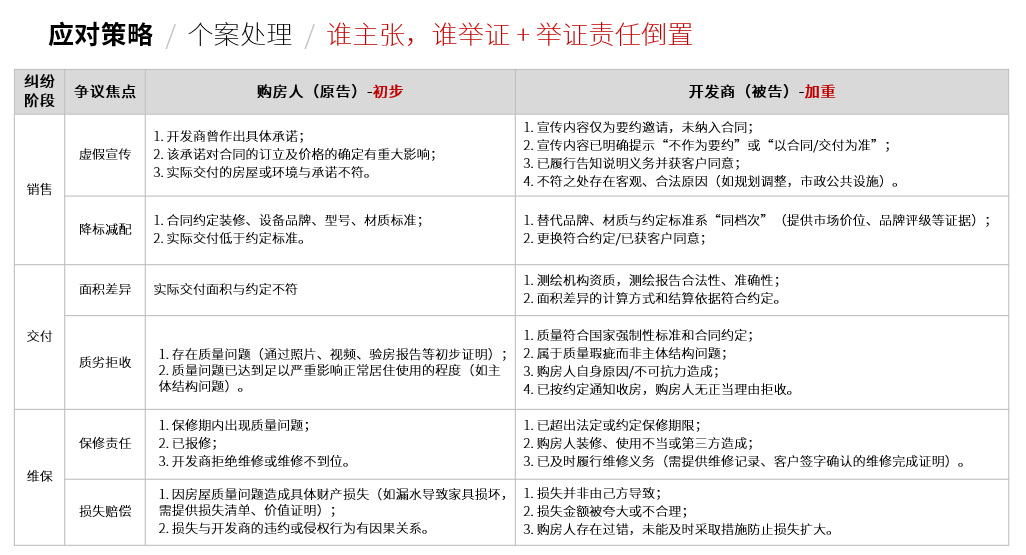
Lawyer Wang Xuechao pointed out that in court, evidence and rules are the key to determining the outcome. Since developers have advantages in information, resources and document management, the law often imposes stricter burden of proof on them. Therefore, establishing a sound internal quality management and evidence retention mechanism, and achieving efficient collaboration between the front-end business and back-end legal teams, is the foundation for real estate enterprises to cope with litigation.

Click to view the full-size image

Lawyer Wang Xuechao also noted that entrusted appraisal is also a scientific tool to determine the outcome of a case, and its conclusions often directly determine the direction of the case. By comparing the validity differences between judicial appraisals and unilateral appraisals entrusted by parties, he discussed the necessity for real estate enterprises to entrust appraisals on their own before litigation.

Finally, Lawyer Wang Xuechao emphasized that excellent risk prevention and control is by no means a “stopgap measure”, but requires the construction of a full-cycle risk control system running through the entire project. A systematic management closed loop is formed from pre-event prevention, in-event control to post-event resolution.

This training featured practical content and abundant cases, including not only the interpretation of legal provisions but also the sharing of practical strategies, fully demonstrating the professional depth and practical experience of Hongqiao Zhenghan Law Firm in the field of commercial housing transaction dispute services. Participants all stated that the training was of great guiding significance for improving the risk awareness of front-line business personnel and the dispute handling ability of legal personnel.

Founded in 1990, Lujiazui Group is a solely state-owned enterprise established with the approval of the Shanghai Municipal People’s Government and given key support. Headquartered in Pudong New Area, Shanghai, it is mainly responsible for the land development and comprehensive operation of the Lujiazui Financial and Trade Zone, the only national-level development zone named after “finance and trade” in China. It has a first-class qualification for real estate development with a registered capital of 4.7 billion yuan. Its core subsidiary, Shanghai Lujiazui Finance & Trade Zone Development Co., Ltd. (stock code: 600663), was listed in 1992, holding over 2.9 million square meters of operating properties, with businesses covering real estate leasing, sales and property management.

Hongqiao Zhenghan specializes in complex dispute resolution, and has long acted in a large number of complex and difficult commercial cases, cross-border dispute resolution cases, as well as market-oriented asset and debt restructuring cases including bankruptcy. It provides professional dispute resolution services for large financial institutions, listed companies, governments and well-known enterprises. It has been consecutively awarded as National Excellent Law Firm, Shanghai Top Ten Law Firms, and Tier 1 in Corporate and Commercial Law by Chambers; it has also won awards such as Excellent Law Firm in Domestic/Cross-Border Dispute Resolution and Banking & Finance by China Business Law Journal. Adopting the LockStep partnership model, Hongqiao Zhenghan has built the entire firm into an integrated management lawyer team with clear professional division of labor to meet and exceed customer service needs.

Hongqiao Zhenghan Conducts Practical Training on Equity Investment Exit and Risk Control for China Fortune-Tech Capital

On August 27, 2025, Lawyers Wang Yang and Min Xi, partners of Shanghai Hongqiao Zhenghan Law Firm, were invited by SMIC Juyuan Private Fund Management (Shanghai) Co., Ltd. (hereinafter referred to as “SMIC Juyuan”) to conduct a special legal training themed “Equity Investment Exit and Risk Control Practice”.

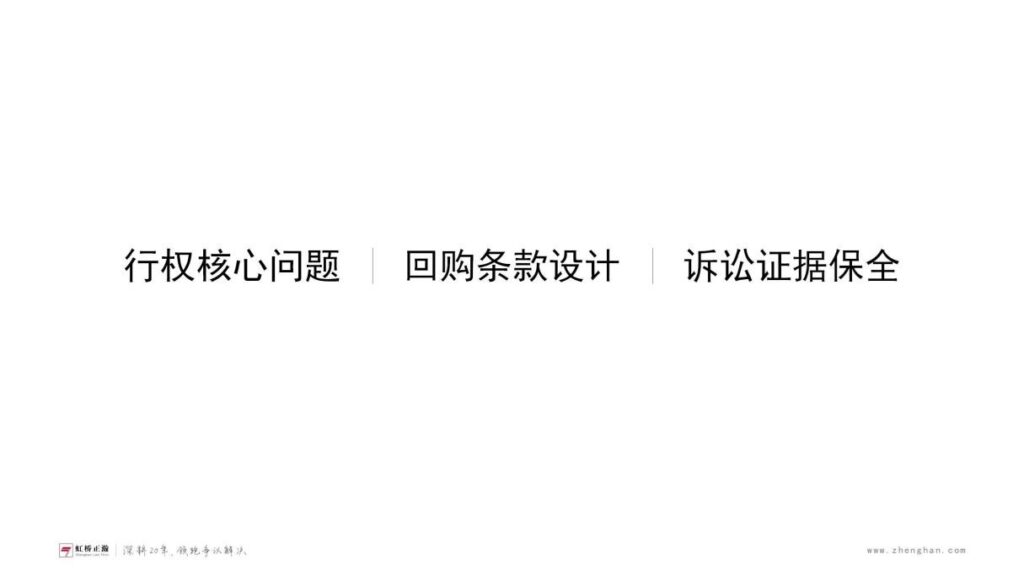
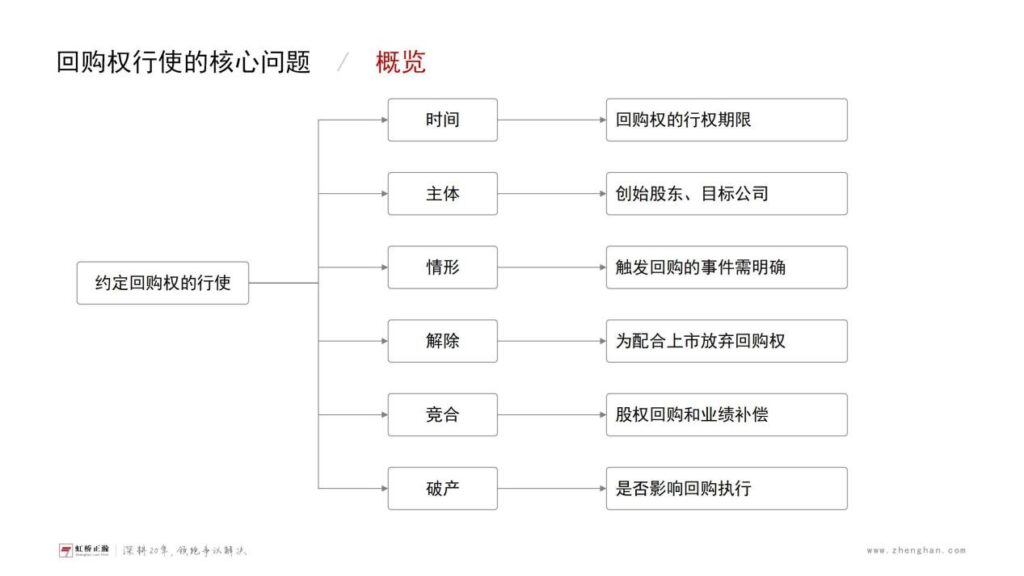
This training focused on the practical legal difficulties and operational details in equity investment exit paths. Taking “core issues in the exercise of repurchase rights” as the main line, it analyzed the five key elements in the exercise of repurchase rights one by one in combination with typical cases: exercise period, repurchase subject, trigger circumstances, concurrent rights, and bankruptcy impact. Meanwhile, it discussed practical implementation issues from the perspectives of contract clause design and optimization, litigation evidence preservation, and other aspects.

Click to view the full-size image

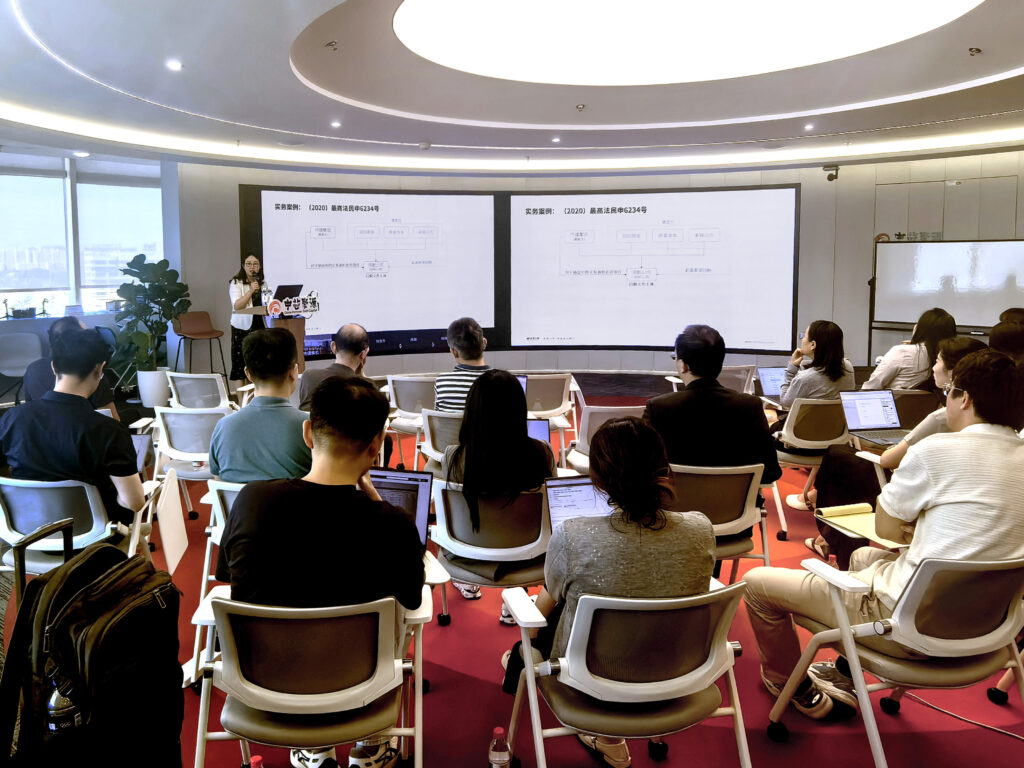
Lawyer Wang Yang started with the latest view of “6-month reasonable period” from Fada Wang, suggesting that investment institutions clearly agree on the exercise period in the agreement and send a notice to exercise the right in a timely manner after the repurchase conditions are triggered, so as to avoid losing the right due to the expiration of the exclusion period. In the section on repurchase subject design, Lawyer Wang Yang elaborated by distinguishing between shareholder repurchase and company repurchase.


Click to view the full-size image

In the part of trigger circumstances, Lawyer Wang Yang focused on sharing common trigger scenarios such as failure to list as agreed, change of main business, change of control, major integrity issues, material breach of contract, and litigation. Furthermore, he explained the judicial adjudication rules in the case of concurrent equity repurchase and performance compensation in combination with cases. Regarding bankruptcy risk, Lawyer Wang Yang emphasized that although company bankruptcy does not preclude shareholder repurchase, it will result in the impossibility of capital reduction, thereby affecting the enforceability of the company repurchase clause.

Partner Lawyer Wang Yang

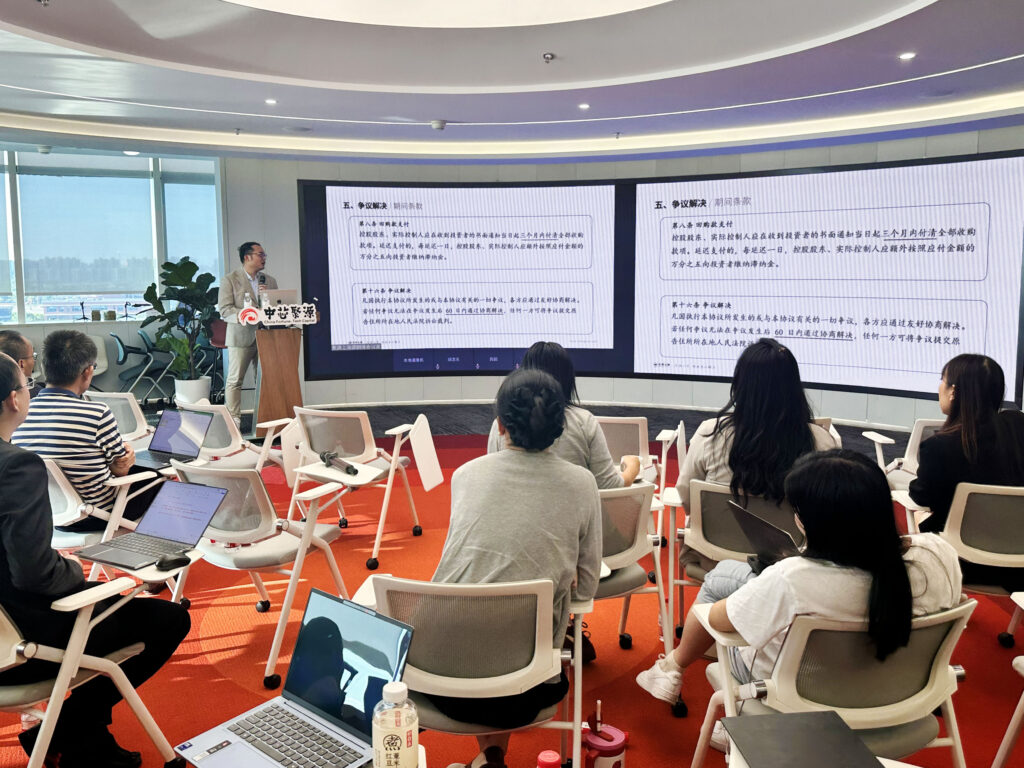
In the clause design section, taking a standard clause template as an example, Lawyer Min Xi explained the optimization suggestions item by item, and elaborated on the relevant precautions in the design of notice clauses, period clauses, and jurisdiction/arbitration clauses. He stressed that contract clauses should be designed from the perspective of right exercise to reduce the space for disputes and the burden of contract interpretation during exercise, and in particular, avoid obstacles to right exercise caused by the contract clauses themselves.


Partner Lawyer Min Xi

In addition, the training also covered litigation evidence preservation, sorting out the types of evidence that should be focused on collecting in the five links of pre-investment due diligence, agreement signing, delivery, post-investment management, and exercise notice in stages. It emphasized that the “exercise notice letter” should include elements such as the basis for repurchase, trigger facts, number of repurchased shares, price calculation, and collection account, and recommended sending it by EMS express mail, retaining scanned copies and successful delivery records to ensure the validity of service.

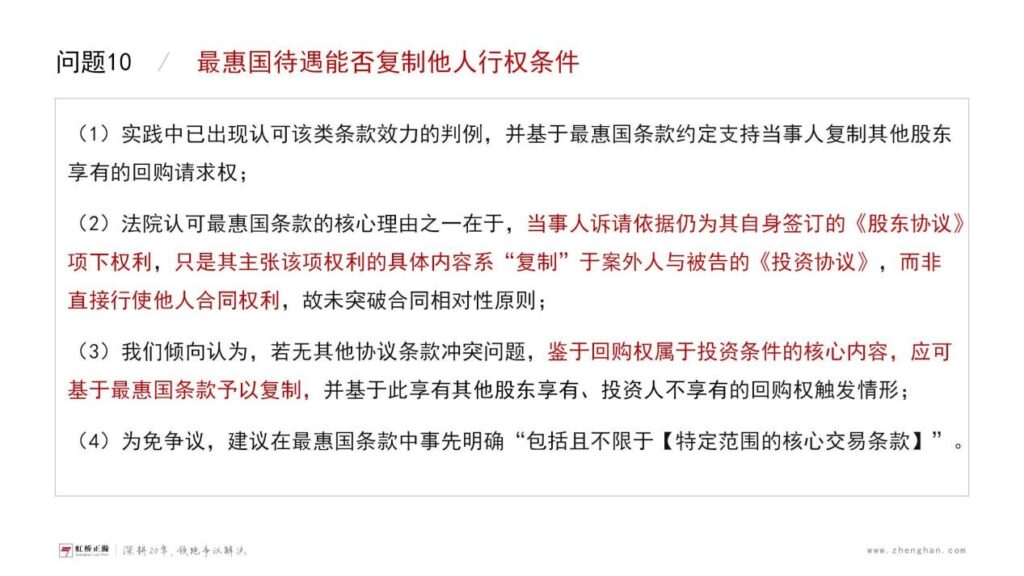
At the end of the training, a “Q&A session on hot issues” was held, responding to high-frequency and cutting-edge practical issues such as “whether most-favored-nation treatment can replicate others’ exercise conditions” and “whether recovering investment funds without capital reduction procedures constitutes withdrawal of capital”, and putting forward compliance suggestions combined with the latest judicial precedents, providing practical legal guidance.


Click to view the full-size image

This training featured systematic content and strong operability, fully demonstrating the professional depth and practical experience of Hongqiao Zhenghan Law Firm in the field of equity investment legal services. Participants stated that the explanations by the two lawyers were profound yet simple, with detailed cases, providing important support for them to build a risk-controllable and clear-path exit mechanism in the complex investment environment.

SMIC Juyuan focuses on equity investment in the integrated circuit industry, committed to long-term value investment, discovering and creating value. Co-founded by SMIC and a senior investment team, SMIC Juyuan manages assets of over 30 billion yuan, with investment targets covering the entire integrated circuit industry chain across all stages of equity investment including angel, VC, PE, listed company investment, and M&A investment. It has invested in more than 300 enterprises so far, some of which have been listed on the capital market.

Hongqiao Zhenghan specializes in complex dispute resolution, and has long acted in a large number of complex and difficult commercial cases, cross-border dispute resolution cases, as well as market-oriented asset and debt restructuring cases including bankruptcy. It provides professional dispute resolution services for large financial institutions, listed companies, governments and well-known enterprises. It has been consecutively awarded as National Excellent Law Firm, Shanghai Top Ten Law Firms, and Tier 1 in Corporate and Commercial Law by Chambers; it has also won awards such as Excellent Law Firm in Domestic/Cross-Border Dispute Resolution and Banking & Finance by China Business Law Journal. Adopting the LockStep partnership model, Hongqiao Zhenghan has built the entire firm into an integrated management lawyer team with clear professional division of labor to meet and exceed customer service needs.

Hongqiao Zhenghan Conducts Dispute Resolution Practical Training for China Haisum

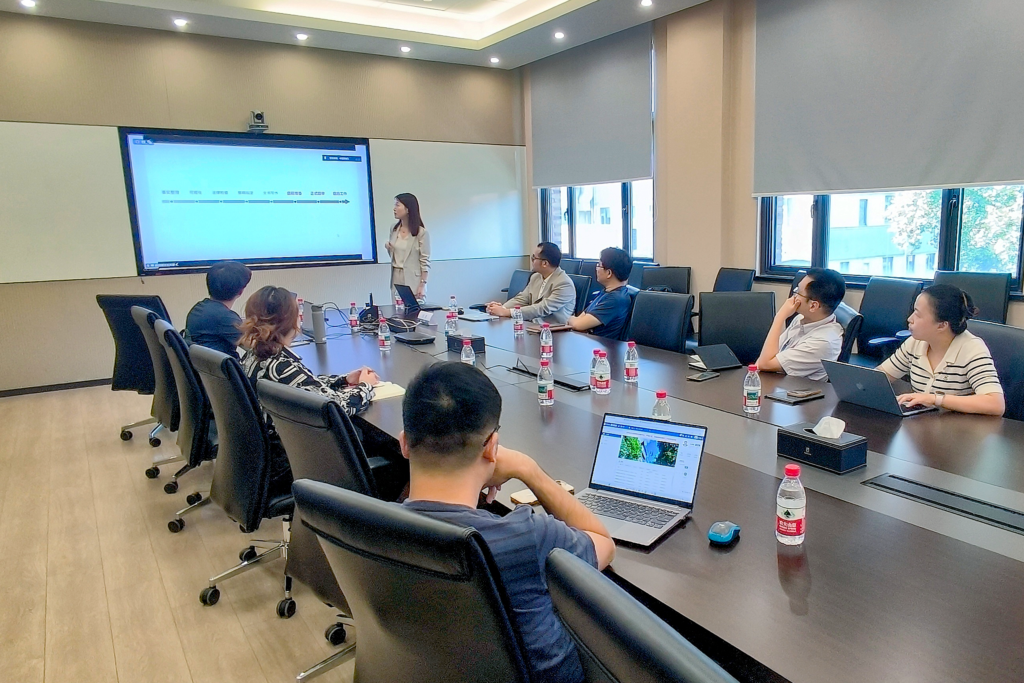
On August 27, Lawyers Min Xi and Chen Shuyuan, partners of Shanghai Hongqiao Zhenghan Law Firm, were invited to deliver a special training titled *Courtroom Skills in Complex Dispute Resolution* for the heads of the legal affairs departments and legal compliance personnel of China Haisum Engineering Technology Co., Ltd. at its headquarters and its subsidiaries. Adopting a hybrid format of offline lectures plus online live streaming, the training covered the legal teams in Shanghai and multiple other regions, aiming to enhance the systematic thinking and practical capabilities of legal personnel in commercial litigation.


Lawyer Chen Shuyuan

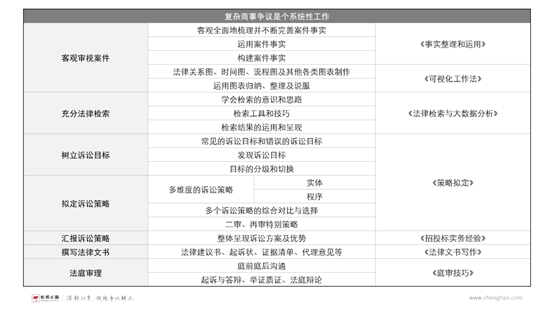
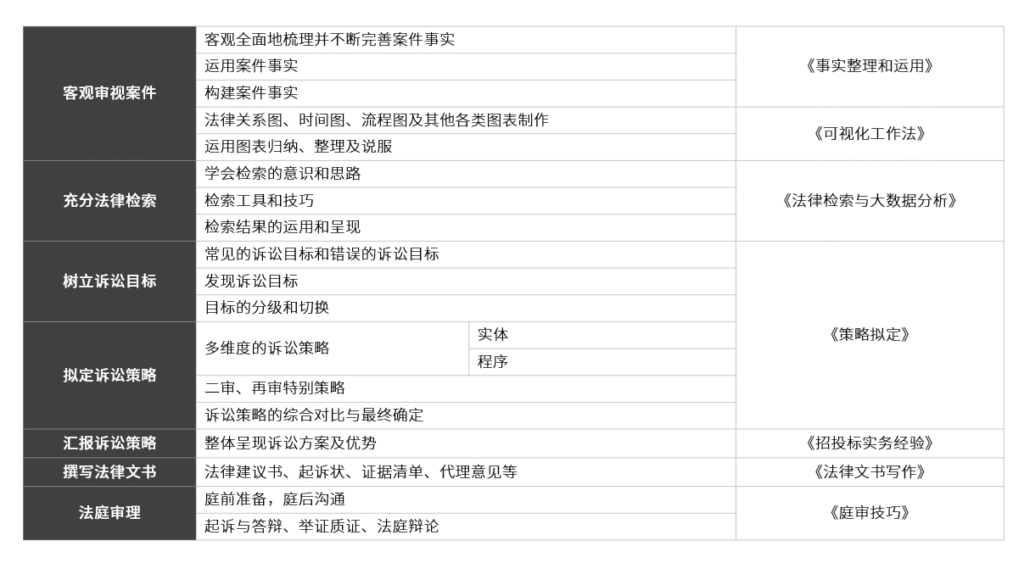
During the training, centering on the core concept that “the essence of a court trial is expression and persuasion”, Lawyer Chen Shuyuan systematically explained the handling procedures and methods for complex commercial dispute cases around eight core modules: fact sorting, visual expression, legal research, strategy formulation, document writing, pre-trial preparation, formal trial, and post-trial work.


Click to view the full-size image

Focusing on “the formulation and selection of litigation strategies”, she put forward several principles for comparing litigation strategies, including professionalism first, commercial essence, overall perspective, people-oriented approach, case closure with resolution, and staying away from forbidden zones. Combined with classic cases handled by Hongqiao Zhenghan, she conducted comparative deductions to concretely explain to the participants how to make optimal decisions among multiple litigation plans.

Meanwhile, she particularly emphasized the crucial role of the “visual working method” in fact sorting and court statements, vividly demonstrating how to transform intricate case facts into a narrative logic easily understandable by judges through visual documents such as equity structure charts and timeline diagrams. Through the analysis of real cases, she concretely elaborated on key skills including how to construct a persuasive courtroom narrative, how to efficiently respond to judges’ questions, and how to conduct precise court debates.

In addition, drawing on her rich practical experience and combined with real courtroom scenario simulations, she pointed out common mistakes made by agents in court, such as “script-reading statements”, “value judgments divorced from the law”, and “excessive debate”. She also put forward specific improvement suggestions including “conclusion first”, “unscripted expression”, “speech rate control”, and “posture management”, and shared the unique work secrets and the “three essential items” for court trials adopted by Hongqiao Zhenghan in case handling.

After the training, Lawyers Min Xi and Chen Shuyuan also conducted in-depth exchanges with the company’s legal personnel, receiving high praise from them.